
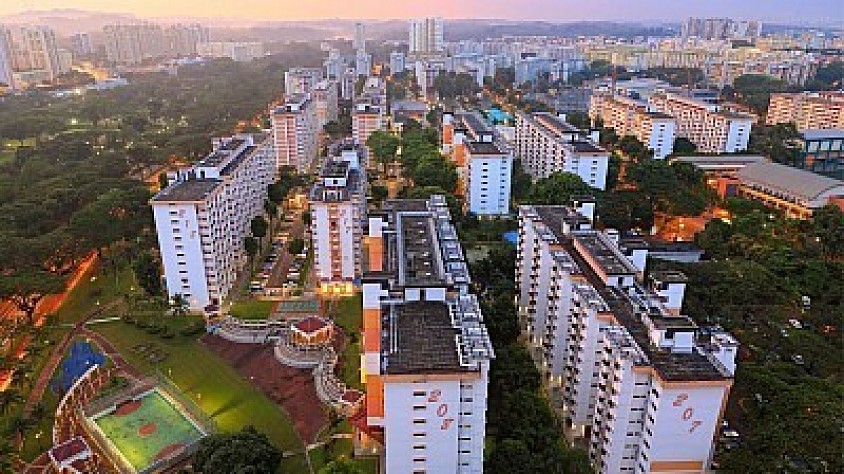
Cultural Landmarks and Quiet Corners around Chiang Mai, Chiang Mai 50100
• Baan Tawai Handicraft Village: South of the city centre and within easy reach of Hang Dong, Baan Tawai is renowned for intricate woodcarving, lacquerware, and home décor crafted by multi-generational artisans. Wandering its laneways reveals workshops alive with the scent of teak shavings, where visitors can observe chiselling, sanding, and finishing techniques passed down for decades. Beyond shopping, the village offers insight into how craftsmanship anchors community identity, with small cafés and shaded courtyards providing contemplative pauses between galleries. Early mornings are mellow, ideal for meeting makers and learning how patterns draw from Lanna motifs and forest flora.
• Wat Ton Kwen (Wat Intharawat): This rare example of classic Lanna architecture rests amid rice fields and tamarind trees in San Pa Tong, a short ride from San Phak Wan. The temple’s low-slung, multi-tiered roofline creates a serene silhouette at dusk, while carved finials and naga balustrades showcase delicate regional artistry. Photographers appreciate the interplay of wood grain and filtered sunlight; history-minded travellers note the temple’s restrained aesthetic, which contrasts with the gilded exuberance of central-city wats. The quiet grounds invite thoughtful reflection, with birdsong and rustling fronds softening the surroundings.
• Royal Park Rajapruek: Part botanical showcase, part cultural atlas, this vast garden features thematic pavilions that map global horticulture onto Chiang Mai’s gentle hills. The Ho Kham Royal Pavilion, with its steep gables and crimson-gold detailing, overlooks avenues lined with seasonal blooms—frangipani in perfumed clusters, marigolds in saturated tones, and winter blooms that thrive in the region’s cooler months. Cyclists and walkers trace shaded circuits past orchid houses and insectariums. Families gravitate to interpretive displays that unpack pollination and soil ecology, offering a relaxed counterpoint to the city’s markets and nightlife.
• Chiang Mai Night Safari: As twilight deepens over Nong Kwai, the Night Safari introduces visitors to the habits of nocturnal species in landscaped habitats. Trams glide past lakeside silhouettes—giraffes, deer, and small carnivores—while pathways thread through zones designed for low-light viewing. Educational signage explains behaviour cycles and conservation efforts, making it as instructive as it is atmospheric. Nearby lakes reflect moonlight and distant temple spires, adding a hushed, cinematic ambience well suited to an evening stroll.
• Grand Canyon Water Park (Hang Dong Quarry): Once a red-earth excavation site, this reservoir has transformed into a waterscape with floating obstacles and cliffside vistas. The ochre cliffs ring turquoise water, drawing swimmers, paddleboarders, and casual sightseers. On quieter weekdays, reflections of cloud banks ripple across the quarry, while weekends bring lively energy as families and friends test balance and nerve on inflatable circuits. Cafés on the rim serve iced coffee and local snacks with wide-angle views.
• Wat Phra That Doi Kham: Perched on a forested ridge west of the city, this temple presents sweeping panoramas of the Ping River plain and patchwork rice paddies leading toward Hang Dong. A colossal seated Buddha anchors the site, while bells and votive candles contribute to a sense of reverence. Visitors often combine the temple with nearby gardens to craft a day of light hiking, shrine visits, and café breaks amid mountain breezes.
• Ob Khan National Park: About 30–40 minutes from the southern suburbs, Ob Khan’s marble-grey canyon narrows around the Khan River, where cool shallows and shaded sandbanks invite picnics. A short riverside track skirts polished stone and whispering bamboo, suitable for casual walkers. In the dry season, pale rock terraces glow under high sun; in the green season, the river’s flow quickens, and birdlife becomes more animated. It’s a restorative counterbalance to urban sightseeing.

Notable Places to Find Around Hang Dong District, Chiang Mai 50100
A Rich Tapestry of Culture, Nature, and Quiet Corners
Introduction
In Hang Dong District, Chiang Mai 50100, the pace softens and the landscape broadens into a patchwork of teak villages, temple spires, and green hills. It is a place where artisans still plane wood by hand, where canals stitch together fields, and where forested gullies open to cold streams. The area offers a measured blend of heritage and outdoor respite, with side roads leading to workshops, galleries, and tranquil sanctuaries.
Historic Temples and Quiet Monasteries
The spiritual fabric of Hang Dong is visible in its Lanna-era temples and contemplative compounds. Wat Ton Kwen, also known as Wat Intharawat, stands as a masterwork of traditional timber architecture, its low-slung roofs shingled like scales and its courtyard shaded by ancient trees. Arrive early, when the wooden viharn catches a soft sheen and the grounds feel hushed. Nearby, smaller monasteries along rural lanes offer a more intimate window into daily rituals. These places need no spectacle. A novice sweeping leaves. A bell chiming at dusk. The experience becomes quietly immersive without theatrics.
Nature Escapes and Riverine Coves
Southwest of the main road, stony ravines and bamboo thickets shield Ob Khan National Park, a perennial favourite for brief walks beside a river that curves through polished rock. The gorge narrows at points, then widens into pale sandbars—spots where picnickers unfurl mats and listen to water riffle over stone. The air runs cool under eucalyptus and dipterocarp. On the district’s eastern edge, the Chiang Mai Grand Canyon, a former quarry, presents stark vermilion cliffs mirrored in a deep lake. It can feel cinematic at sunset, with orange light kindling the walls. Those who prefer something softer can wander the rice polders around Nam Phrae, following skinny farm tracks that pass bird-filled hedges and small irrigation weirs.
Craft Villages and Creative Hubs
Craft lineage remains a living, breathing presence in Hang Dong. Baan Tawai Village is an enduring nucleus for woodcarving, lacquer, and homewares. Workshops hum with sawdust and the whirr of chisels, and side-street studios often welcome visitors to watch finishing techniques up close. Many artisans specialise in reclaimed teak, giving weathered beams new life as sculpture or furniture. Not far away, small ceramics ateliers experiment with ash glazes and tactile stoneware, firing in compact kilns that dot the backroads. Galleries tend to be understated—whitewashed rooms, polished concrete floors, and a single statement piece catching late-afternoon light.
Royal Gardens and Wildlife Encounters
Royal Park Rajapruek spreads across a tidy valley floor with seasonal colour and shaded pergolas. The park’s pavilions display regional flora, while elevated walkways offer vantage points toward Doi Suthep’s ridgeline. Morning visits are particularly mellow, when gardeners are at work and the air is still cool. Close by, Chiang Mai Night Safari blends landscaped habitats with evening tram rides. Families appreciate the easy layout; photographers favour the twilight hours. While it leans toward entertainment, it also provides an accessible primer on regional species, from elegant cervids to sure-footed caprids.
Markets, Cafés, and Slow Plates
Food culture here is deeply local. Weekend markets unfurl with woven baskets, heirloom vegetables, and fragrant curries cooked in heavy pots. Kad Farang Village brings together a practical cluster of shops and casual eateries, useful for stocking up before a longer excursion. Coffeehouses on canal-side lanes brew beans from northern highland farms, often using pour-over methods that highlight caramel and stone-fruit notes. Many cafés adopt open-sided designs to catch breezes; some adjoin gardens where butterflies move through clumps of heliconia and ginger lilies. Expect modest menus done neatly—grilled river fish, sticky rice in banana leaf, and herbaceous soups bright with lime.
Scenic Loops and Day-Trip Terrain
Hang Dong also serves as a launchpad for hill drives and unhurried rambles. The Samoeng Loop arcs through orchards and mountain viewpoints, rewarding those who favour winding roads and stop-and-look spontaneity. To the north, Huay Tung Tao Lake sits beneath serried hills, its perimeter dotted with bamboo cabanas; it’s a fine setting for an unrushed lunch and a gentle walk. Westward detours touch Ban Pong’s leafy byways and trailheads that disappear into fragrant pine stands. Farther south, Pha Chor’s eroded cliffs, reached through Mae Wang’s countryside, reveal sculptural pillars formed by time and weather—an outdoor gallery rendered in ochre and cream.
Wellness Nooks and Reflective Spaces
For quiet time, seek out forest-edge meditation halls where visitors can sit, read, or amble among bodhi leaves. Some gardens incorporate herb plots with lemongrass, kaffir lime, and Thai basil, releasing an aromatic haze when brushed. Yoga pavilions appear in unexpected places—on ricefield berms or beside lotus ponds—offering a calm setting for stretching, breathwork, or simple stillness. The mood is unpretentious and restful.
A Curated Selection to Pin on Your Map
- Wat Ton Kwen (Wat Intharawat) for classic Lanna architecture and morning calm
- Baan Tawai Village to witness woodcarving and browse handcrafted wares
- Ob Khan National Park for riverside walks and shaded picnics
- Royal Park Rajapruek for seasonal colour and mountain views
- Chiang Mai Night Safari for approachable wildlife encounters at dusk
- Chiang Mai Grand Canyon for dramatic quarry cliffs and reflective water
- Kad Farang Village for practical shopping and café stops
- Nam Phrae backroads for pastoral scenery and birdlife
- Huay Tung Tao Lake for lakeside dining and leisurely loops
- Pha Chor via Mae Wang for otherworldly rock formations and photo stops
Practical Notes and Thoughtful Timing
Plan by light rather than by the clock. Early mornings flatter temple woodwork and keep garden strolls temperate. Midday suits market grazing under shaded awnings, while late afternoons set the hills aflame with colour. Roadside shrines mark many junctions; pull over safely if a view or workshop beckons. Respect local customs—covered shoulders at sacred sites, shoes off where posted, and quiet voices during rites. The reward is reciprocal goodwill and a deeper reading of place.
Conclusion
Hang Dong District, Chiang Mai 50100 offers an understated blend of artistry, greenery, and heritage. Wander a little. Turn onto the smaller lanes that stitch together its temples, parks, studios, and cafés. The area rewards curiosity with textures—grain of teak, ripple of river, aroma of roasted coffee—and with scenes that linger long after the map is folded away.
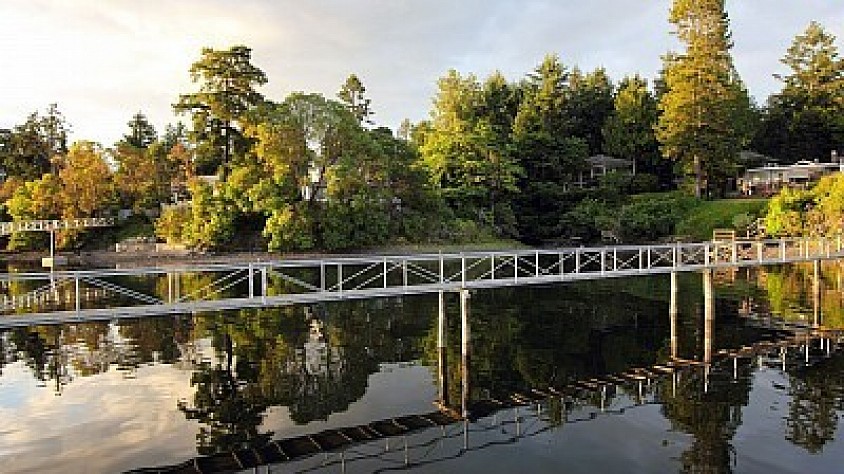
Hidden Corners and Must-Visit Landmarks around Hang Dong District, Chiang Mai 50100
Notable Places to Find around Hang Dong District, Chiang Mai 50100
Temples with Quiet Gravitas
Tucked between lush foothills and old teak neighborhoods, the temples around Hang Dong carry the stately calm of the Lanna era. Wat Phra That Doi Kham crowns a low mountain ridge southwest of the city. Its golden chedi peeks above forest canopy, and from the terrace the panorama rolls from paddy fields to jagged hills. Mornings arrive with incense and birdsong, and the light skims the gilded surfaces like water. Down in the valley, Wat Intharawat (often called Wat Ton Kwen) preserves rare wooden architecture: a low-slung viharn of dark teak, tiered roofs folding like wings. The craftsmanship is intricate, the atmosphere unhurried. Photographers linger over roof finials and aged pillars, yet it feels more like a lived-in shrine than a set piece.
On the northern side of the district, forest enclaves lead to meditative spaces. Wat Umong, though slightly beyond Hang Dong’s formal boundary, is close enough to pair with a morning market run. Its mossy tunnel sanctuaries and towering chedis create an otherworldly hush. Wat Ram Poeng, another nearby retreat-style temple, surrounds visitors with groves of tamarind and frangipani. These places reward patience—sit, listen to the rustle of leaves, and let the everyday traffic fall away.
Parks, Canyons, and Open-Air Escapes
Southwest Chiang Mai’s terrain slips from flat rice plains into rocky gullies and river bends. Ob Khan National Park sits at that threshold, where the Mae Khan River has carved a narrow gorge through pale stone. Trails trace the water’s edge. In the late afternoon, sunlight angles into the ravine, turning the river a deep green. It’s a fine spot for a picnic, as long as you pack out what you bring and respect the quiet charm of the place.
Closer to town, the old Hang Dong quarry—often nicknamed a canyon—forms rust-red cliffs above aquamarine water. Many visitors come for the view rather than any activity, particularly near sunset when the cliffs kindle. North of the quarry, Royal Park Rajapruek unfolds as a grand landscape garden, mixing sculpted allees with tropical plantings and a striking Lanna pavilion. The grounds shift with the seasons, but early mornings generally promise soft light and fewer crowds.
As dusk gathers, the Chiang Mai Night Safari just beyond Hang Dong provides a different rhythm. Families wander lakeside paths as cicadas start up and the surrounding hills blur into silhouettes. Even without the shows, the park’s gardens and open water lend a tranquil circuit for an evening stroll.
Handicrafts, Markets, and Living Traditions
The district is renowned for artisan skill, and Baan Tawai stands at the center of that reputation. Along its lanes, woodcarvers, lacquerware artisans, and furniture makers work amid stacks of fragrant timber. Watching a carver guide a chisel along a line of floral motifs reveals how much patience lives behind a single ornate panel. Many workshops welcome polite observers; a small question about technique can spark a generous demonstration.
Markets thread through the week. Hang Dong’s local markets brim with seasonal fruit, baskets of herbs, and beaming vendors plying grilled pork skewers and coconut custard. The cadence is steady, unforced. It’s a setting where conversation comes easily—ask a seller about kaffir lime leaves and you may walk away with a recipe for a home curry. For a more modern spin, Kad Farang Village along the main road blends open-air dining with everyday shopping, handy for a snack between temple visits.
Quick Picks to Pin on Your Map
- Wat Phra That Doi Kham: Hilltop temple with sweeping valley views.
- Wat Intharawat (Wat Ton Kwen): Classic teak architecture in a serene compound.
- Ob Khan National Park: River gorge, shaded paths, and picnic nooks.
- Royal Park Rajapruek: Expansive gardens and a signature Lanna pavilion.
- Baan Tawai Handicraft Village: Woodcarving studios and artisan workshops.
- Hang Dong Quarry Canyon: Striking cliffside outlooks and sunset colours.
- Chiang Mai Night Safari: Lakeside paths and garden circuits at dusk.
- Huay Tung Tao Lake: Bamboo huts over calm water, ringed by low mountains.
- Wat Umong: Forest temple with ancient tunnels and moss-clad stupas.
- Kad Farang Village: Convenient food stops and shopping along the corridor.
Food, Coffee, and Calm Corners
Hang Dong favors low-key flavors and open skies. Roadside grills perfume the evening air with lemongrass and charcoal, while noodle shophouses dish out bowls of rich khao soi under fluttering fans. Coffee culture has settled into the rice fields, where airy cafés perch on walkways above paddies. Order an iced latte and watch egrets pick through the shallows. Around Nam Phrae and San Phak Wan, many cafés pair garden seating with light bites—banana fritters, mango sticky rice, or herb-packed salads. If a midday haze gathers, these shaded decks offer respite and a slow pulse.
Day Trips and Scenic Drives
The Samoeng Loop tempts with hairpin curves and misty ridgelines. Set out clockwise for morning light over the orchards, then break at small stands selling strawberries in season. Mae Wang, due south, mixes riverbanks, teak groves, and village life. Local guides offer gentle bamboo rafting on calm stretches, which suits those who prefer scenery over splash. Farther afield, Mon Cham and its highland views can be paired with a return through Hang Dong for dinner markets and quiet lanes. Each route shows a different face of the foothills—fields stitched to forest, then forest stitched to sky.
Practical Tips for Respectful Visits
Cultural etiquette matters. Modest dress is appropriate at temples; shoulders and knees covered keeps attention where it belongs—on the art and the ritual. Shoes come off at viharn and ubosot thresholds, so easy slip-ons help. Early hours grant softer temperatures and clearer views, and the light does favors for photographs, especially over water or polished wood. In parks and river areas, stay on marked paths; the soils can be friable after rain, and a single misstep erodes far more than it seems. Support artisans by buying directly from workshops when possible, and ask before photographing craft processes or private compounds.
Hang Dong’s appeal lies in cadence rather than spectacle. A hilltop shrine at sunrise, a market snack, a wooden gable traced by afternoon light—each moment carries a quiet, enduring texture. With a map dotted by temples, gardens, craft lanes, and watersides, the district offers a grounded circuit that feels both immediate and timeless.
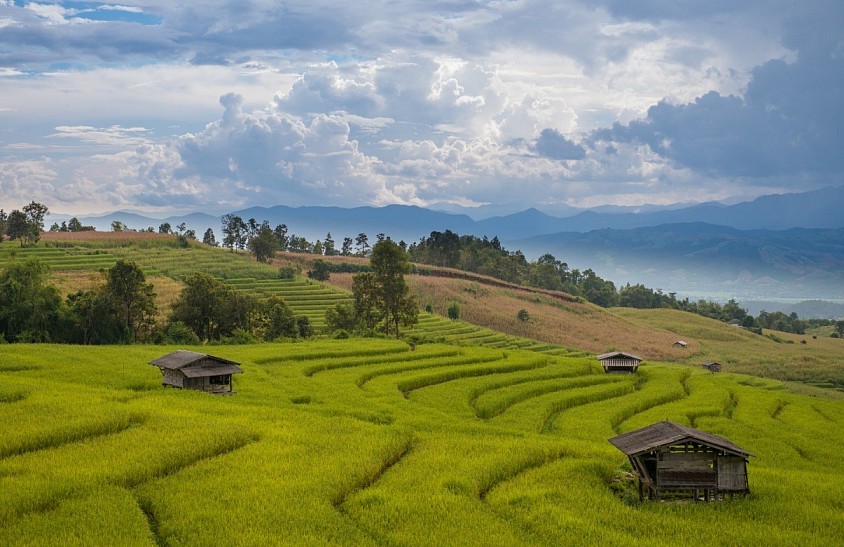
Notable Places to Discover Around
Cultural Landmarks Worth the Journey
Centuries of craftsmanship and devotion define Thailand’s iconic temples and historic precincts, many of which are easily accessible from major gateways. Wat Phra That Doi Suthep crowns a mountain road with sweeping panoramas and intricate reliefs that glitter at sunrise and soften to a mellow glow by dusk. Closer to the kingdom’s heart, the Grand Palace and its venerable surrounding halls reveal ceremonial courtyards, ornate spires, and stuccoed guardians that speak to dynastic artistry. In Chiang Rai, the White Temple presents a contemporary interpretation of sacred space, where mirrored tiles catch the light like a constellation.
Wat Phra That Doi Suthep
Grand Palace complex
Wat Pho and its tranquil cloisters
Wat Arun’s riverside prang at twilight
Wat Rong Khun (White Temple)
Selecting from these landmarks depends on tempo and theme. Seeking quiet reflection and detailed iconography? The cloisters around Wat Pho invite a measured wander. Prefer a dramatic skyline? The river-facing terraces of Wat Arun reward patient photographers as boats create shimmering reflections on the water. Each site offers a distinct atmosphere—solemn, celebratory, or contemplative—allowing your itinerary to evolve with the day’s natural rhythm.
Riverside Districts and Historic Quarters
The river remains a vital narrative thread running through the country’s urban past. Neighborhoods along the Chao Phraya brim with vernacular architecture, wooden piers, and shrines tucked between shophouses. A slow ferry crossing provides a wonderful vantage point over steepled roofs and market façades before landing at walkable lanes where incense and river breezes mingle. Farther upstream, Ayutthaya’s historical park spreads across an island encircled by waterways, its brick prangs and headless Buddhas quietly conveying stories of resilience.
Thon Buri canals and local piers
Chao Phraya river walks and viewpoints
Ayutthaya Historical Park
Approach these quarters with unhurried curiosity. Let the rhythm of boats, bells, and bicycle chimes set the pace. Early mornings offer a gentler atmosphere, with monks on alms rounds and vendors setting out fresh herbs. Twilight, by contrast, brings lantern light and beautiful silhouettes of chedis against a burnished sky.
Nature Trails, Highlands, and Waterfalls
Lush mountain ridgelines and shaded ravines provide restorative counterpoints to urban energy. Doi Inthanon National Park unfurls a tapestry of cloud forests, rhododendron glades, and sweeping lookouts. The stair-stepped cascades of Mae Sa Waterfall offer cooling spray and mossy alcoves ideal for contemplation, while the forested bends of Erawan National Park reveal turquoise tiers braided through limestone.
Doi Inthanon National Park
Mae Sa Waterfall
Erawan National Park trails
Khao Sok’s ancient rainforest
Trails range from gentle boardwalks to steeper scrambles, each an invitation to notice small marvels: a fern curling into form, birdsong echoing between trunks, or clouds tumbling over distant peaks. When choosing, align the terrain with your mood—gentle paths for meditative hours or more rugged tracks for energetic days.
Coasts, Islands, and Karst Seascapes
Along the Andaman Sea and the Gulf of Thailand, dramatic coastlines fuse aquamarine waters with surreal geology. Railay Beach feels like a secluded amphitheater of limestone, its cliffs tinted rose at sunset. Phang Nga Bay’s labyrinth of islets encourages quiet paddles through shadowy grottoes, where echoes and dripping stalactites create a natural soundtrack. Offshore, the Similan Islands are renowned for crystalline visibility and beaches so pale they seem dusted with light.
Railay Beach and Phra Nang Cape
Phang Nga Bay viewpoints and sea caves
Similan Islands marine vistas
Ang Thong Marine Park’s archipelago
Deciding among these shores depends on the desired ambiance. For contemplative shoreline walks, choose protected coves with long, shallow gradients. For dramatic panoramas, seek cliff-top lookouts above scalloped bays. Even in popular areas, early departures can reclaim a sense of serenity as the horizon blushes awake.
Markets, Crafts, and Culinary Corridors
Markets are living theaters of scent, color, and cadence. The Sunday Walking Street in Chiang Mai weaves handicrafts with regional snacks, while the Warorot quarter buzzes with textiles and fresh produce. In Bangkok, the sprawling Chatuchak Weekend Market unfurls an atlas of vintage finds, ceramics, and street-side studios. Nearby, Bo Sang Umbrella Village showcases lacquered parasols, their pigments drying in neat rows like a painter’s swatch book.
Sunday Walking Street, Chiang Mai
Warorot Market
Chatuchak Weekend Market
Bo Sang Umbrella Village
Consider thematic browsing: dedicate time to ceramics and glazes, then shift to textiles, examining indigo gradients and hand-stamped motifs. Sampling along the way becomes a delicious form of exploration—mapping the market by flavors, from herbaceous northern sausages to coconut-laced desserts.
Villages, Valleys, and Gentle Road Trips
Mountain hamlets radiate an easygoing charm that invites lingering. Mae Kampong, nestled in a cool valley, offers stilted houses, murmuring creeks, and tea-scented breezes. The switchbacks toward Pai Canyon open onto a russet landscape where narrow ridges reward the sure-footed with sweeping views. Golden Triangle outlooks sketch the confluence of riverine borders, a panorama best appreciated in the soft light of late afternoon.
Mae Kampong village
Pai Canyon
Golden Triangle viewpoints
A measured road trip might combine a village morning—coffee, local pastries, and a short waterfall walk—with an afternoon ridge ramble. Pause frequently. Roadside stalls sell seasonal fruit, while tiny temples often hide intricate murals behind humble doors.
Urban Green Spaces and Quiet Corners
Even in the capital’s energetic core, pockets of calm abound. Lumpini Park unfurls lakes, banyan shade, and curated plantings that invite an unrushed loop. Elevated walkways thread through renovated rail corridors and pocket gardens, linking neighborhoods once separated by traffic. Riverside promenades gather joggers, anglers, and families beneath a sky stippled with kites.
Lumpini Park
Benjakitti Green corridors and lakeside paths
Riverside promenades and community piers
Use these respites as intermissions between denser sightseeing. A half-hour bench pause resets your attention, allowing later visits to galleries or shrines to be experienced with fresher eyes.
Day-Trip Ideas for Layered Itineraries
Blending themes produces richer narratives. Pair monumental history with artisanal craft by spending a morning among Ayutthaya’s brick reliquaries, then drifting through a riverside market lined with boat vendors and fragrant herbs. Or match coastal drama with forest hush by greeting the day on a karst-circled beach before retreating inland for a shaded trail. Choices become more meaningful when contrasted.
Ayutthaya plus riverside markets
Railay cliffs plus mangrove boardwalks
Doi Inthanon summits plus village tea tastings
When choosing from Thailand’s abundant possibilities, prioritize balance—lively quarters counterweighted by quiet corners, sunlit seascapes complemented by cool ravines. The resulting itinerary feels both invigorating and restorative, perfectly tuned to the traveler’s own cadence.
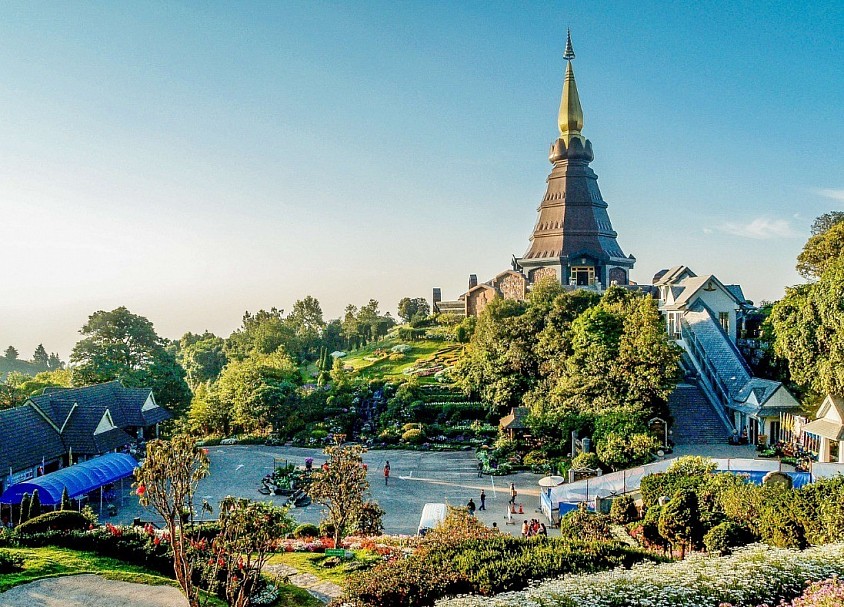
Landmark Finds and Serene Escapes around ,Thailand
A Sense of Place: Streets, Courtyards, and First Impressions
The area unfolds gradually, revealing narrow lanes canopied by shade trees, low-slung homes with airy verandas, and pocket courtyards fragrant with jasmine. Early mornings are serene, with bicycles gliding past and shop shutters opening with a gentle clatter. This first glimpse provides valuable orientation before delving deeper. Observe the flow of foot traffic, how market alleys connect to main roads, and the natural gathering points formed by clusters of vendors. A deliberate stroll helps calibrate your expectations and reveals the small details—painted door lintels, incense bowls at thresholds, and hand-lettered signs—that give the surroundings their distinct character.
Cultural Touchstones: Temples, Shrines, and Living Traditions
Spiritual architecture anchors the community’s rhythm. Pause at an ornate hilltop temple where intricate rooflines catch the first light of dawn, or at a small shrine beneath banyan branches where fluttering ribbons signify local reverence. Observe respectfully as residents present flowers and light incense—an everyday ritual that brings calm to the surrounding bustle. The grounds often include shaded pavilions with story panels. Take time to read the iconography: mythic creatures guard doorways, and murals recount journeys of compassion and perseverance. Nearby, a wooden assembly hall may host classical music practice in the late afternoon, with soft notes drifting through the warm air. These places function less as monuments and more as living rooms for the neighborhood—spaces of continuity, etiquette, and collective memory.
Open-Air Escapes: Green Belts, Waterways, and Breezy Boardwalks
When the day warms, water and shade beckon. Follow the riverpath that skirts the district’s edge, a peaceful ribbon lined with reeds and fishing skiffs. A lakeside park offers open lawns for picnics, while a botanical loop showcases tropical species labeled with both common and local names. Out toward the estuary, a mangrove boardwalk winds over brackish water, revealing mudskippers, herons, and the rhythmic creak of roots in the tide. After sunset, a hilltop overlook catches stray breezes where locals gather with snacks and quiet conversation as the horizon glows pink and umber. Here, the outdoors provides not spectacle but solace—places where the day can gently unspool.
Markets and Kitchens: The Pleasure of Provisioning
Culinary life gathers in a network of markets, each with its own distinct personality. The morning market hums with produce sellers offering gleaming herbs, fragrant citrus, and baskets of leafy greens. Daytime brings noodle stalls and fresh fruit presses, while evenings transform into lantern-lit lanes. Textures and aromas become your guide through the maze.
Consider this short list of worthwhile stops:
Riverside Night Market, where skewers sizzle and musicians tune up near the quay. Heritage Lane Food Arcade, a covered alley of family-run counters featuring time-honored recipes. Garden-Fresh Corner, a compact square focused on seasonal greens and local spices. Sweet Custard Cart, easily spotted by the brass pots and vanilla-scented steam. Clay-Pot Corner, beloved for gently simmered broths served with fragrant herbs. Fruit Barges at the Canal Landing, lively at dusk when boats unload baskets of tropical bounty.
Each stop offers a unique sensory experience. Try small portions from multiple counters rather than a single heavy meal, and take note of the garnishes—lime leaf, toasted rice, or charred chili—that transform each dish.
Craft, Music, and the Handmade City
Artisans keep local lore alive and tangible. A pottery studio near a quiet cross-street offers demonstrations of coiling and burnishing techniques, with surfaces gleaming like river stones. A textile co-op nearby displays hand-dyed cloth in rich, saturated hues, and weavers are often happy to discuss patterns and plant-based pigments. Seek out the printmaker’s nook, where linocuts capture market scenes and temple eaves in striking detail. In the evenings, a micro-venue above a café hosts intimate performances—lute, bamboo flute, or contemporary folk trios—drawing a gentle crowd that listens more than it speaks. These cultural nodes reward patience; conversations unfold slowly, and serendipity favors those who linger.
Quiet Corners: Reading Rooms, Courtyards, and Contemplative Routes
Not every highlight announces itself. An old library with latticed windows offers a peaceful reading room where fans whir lazily over well-thumbed volumes. A shaded courtyard behind a historic shophouse reveals potted orchids and a bench polished by decades of use. Another path follows an irrigation canal, its banks quilted with ferns, making it ideal for a morning walk when mist lifts from the fields. Bring a small notebook to record impressions of rooflines, street sounds, and the way light changes the color of stucco throughout the day. These fragments become a personal atlas, capturing details that official brochures often miss.
Sample Itinerary: A Day of Layered Discoveries
Start just before sunrise at the hilltop temple for cool air and a broad perspective. Descend toward the morning market for fresh provisions and simple breakfasts with fragrant herbs. Late morning is perfect for the botanical loop, where dappled paths provide respite from the heat. After midday, explore the textile co-op and pottery studio—hands-on experiences often arise naturally if you observe politely. As afternoon softens, drift to the riverpath and then ascend to the overlook for the changing light. Conclude at the Riverside Night Market, grazing from two or three vendors while enjoying acoustic performances. This sequence balances exertion and ease, ensuring the day never feels rushed.
Respectful Travel: Small Gestures, Lasting Goodwill
Local etiquette favors modest dress at religious sites, soft voices in residential lanes, and patient haggling—viewed more as a friendly exchange than a contest. Pack a small cloth to reduce disposable napkins, carry a refillable bottle, and sort waste where bins are provided. When photographing, gesture to ask permission before raising your camera; the resulting portraits, when granted, often feel collaborative. These small courtesies keep the welcome warm and help sustain the very character that makes the area so memorable.